

Will your tables help customers settle in - or create bottlenecks at the counter, awkward chair movement and slower resets during a rush? For Kuala Lumpur coffee shop owners, the best dining table is not simply the one that looks good in a showroom. It needs to suit the way people queue, meet, work, spill drinks and move through your space every day.
Quick Product Picks
| Image | Best For | Key Benefit | Product | Action |
|---|---|---|---|---|
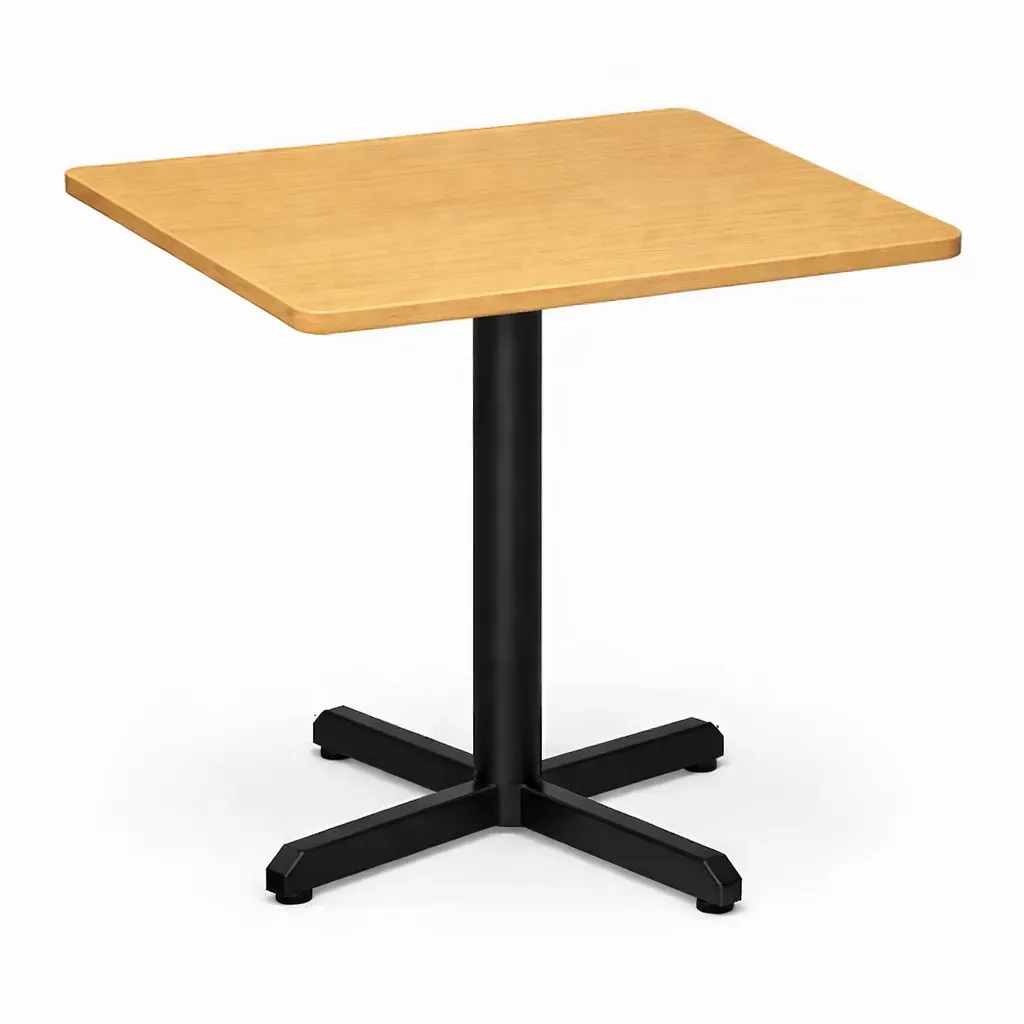 | Creating a repeatable four-seat grid in compact or regularly shaped dining zones | The square melamine top and central pole base support a neat, consistent café layout, while the available square tabletop options let you adapt the footprint without changing the overall look. | MWDT330 Industrial Square 4 Pax Dining Table Melamine Table Top | View Product |
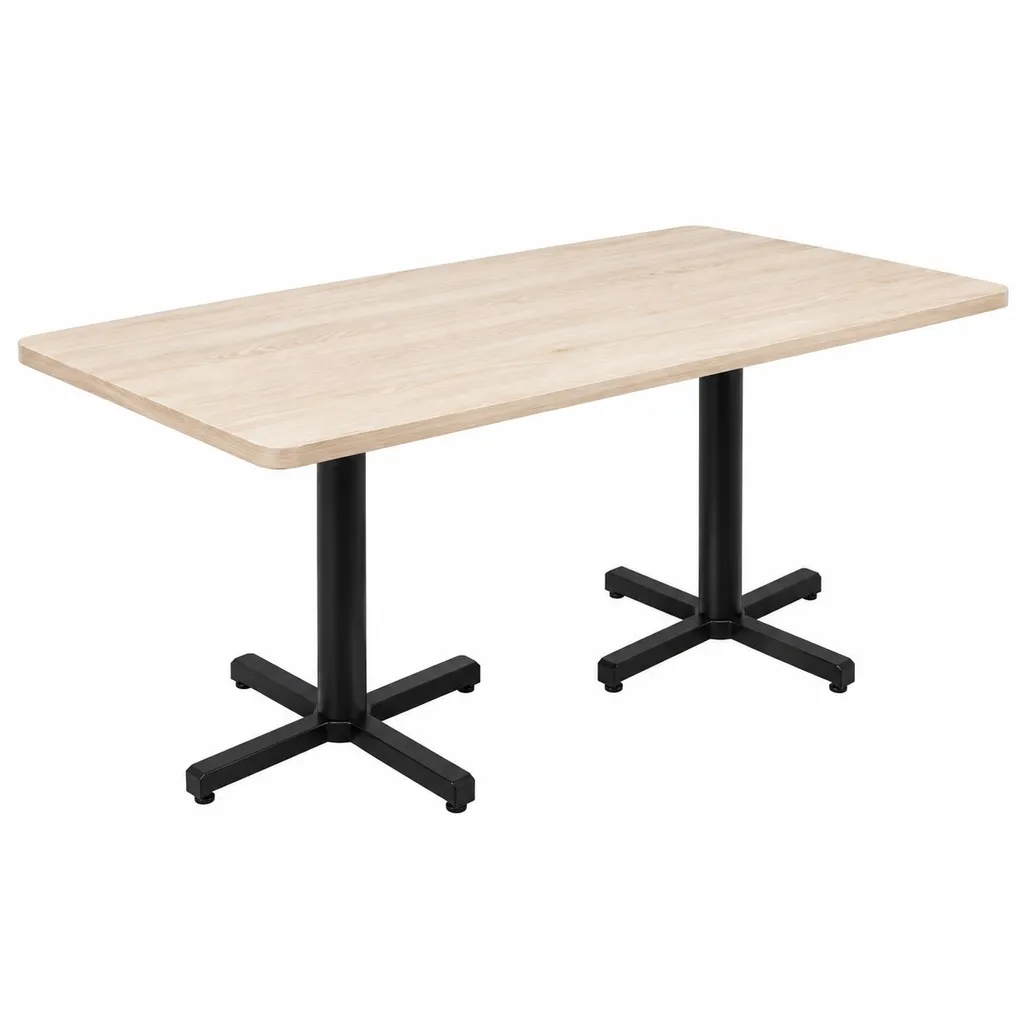 | A dedicated four-person table for brunch groups, informal meetings and longer stays | Its longer rectangular shared surface, rounded corners and natural-top/black-base look make it a more deliberate group-seating choice than a standard square table. | MWDT1134 4 pax Rectangular Rubberwood Dining Table with Black Metal Legs | View Product |
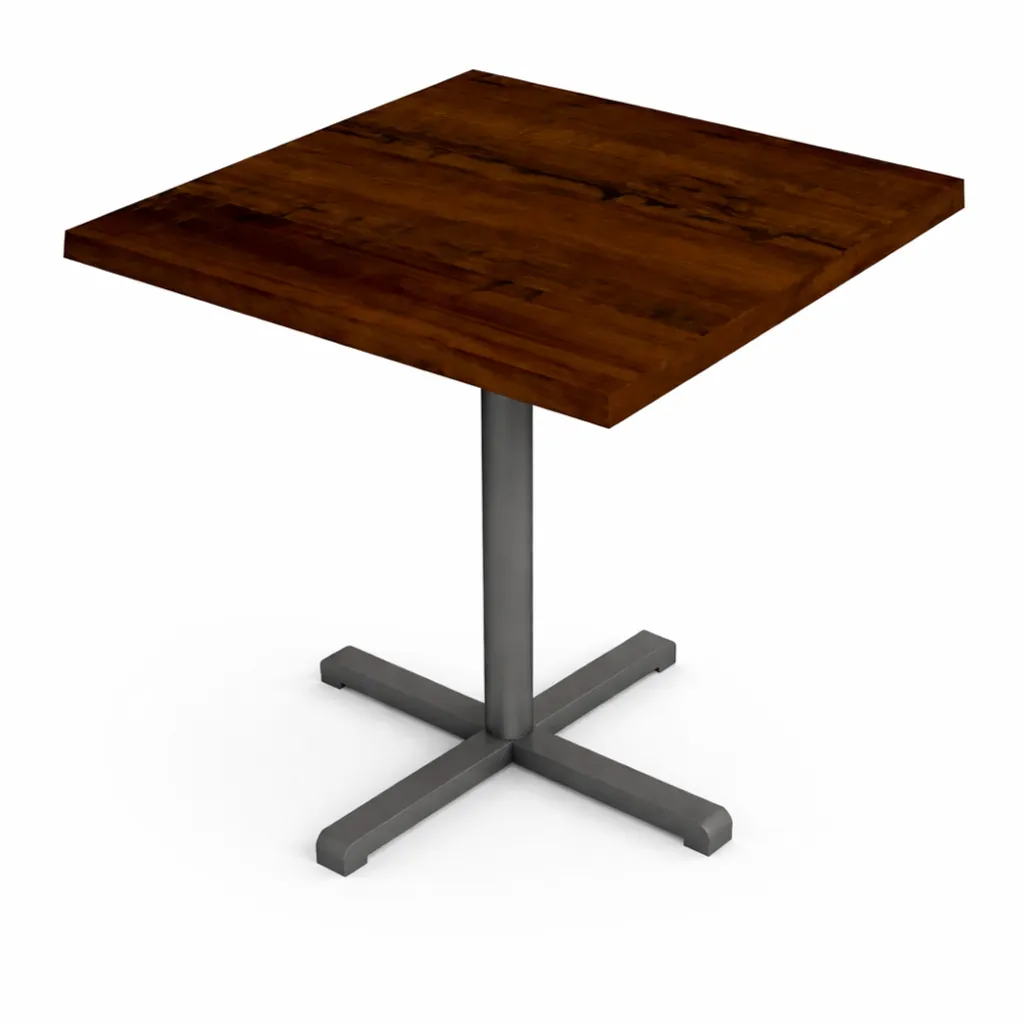 | High-turnover seating areas where drink spills and frequent wipe-downs are routine | This is the only option specifically described with a water-resistant fibertop surface and heavy-duty restaurant suitability, with square and rectangular formats available under one walnut-pattern finish direction. | SDT376SWA Restaurant Heavy Duty Dining Table | View Product |
Use your floor plan to narrow the three table roles before you enquire.
WhatsApp for a Quick RecommendationStart with service flow, not the catalogue
Before choosing a dining table for restaurant use, trace how people actually move through your shop. Mark the entrance, order counter, collection point, washroom route, queue area and the paths staff use while carrying drinks. A table can look right on its own but become an everyday obstacle once chairs are pulled out and a takeaway queue forms nearby.
Plan usable seating zones rather than trying to fit the maximum number of tabletops onto the floor. Guests need room to sit, stand and pass one another, while staff need clear routes even during the busiest part of the day. In an awkward corner or narrow wall-side area, a repeated square-table layout may be easier to manage than a single long shared table.
Clear circulation and prompt attention to spills are also sensible safety priorities in food-service settings; OSHA’s restaurant safety guidance highlights slip, trip and fall prevention as an operational concern. Think about the purpose of each part of the venue as well. Quick coffee stops, catch-ups and small meetings can call for different seating arrangements.
Browse the commercial dining table collection once you know how each zone needs to work, rather than shortlisting on appearance alone.
Option 1: A square table for orderly café seating
The MWDT330 Square Melamine 4-Pax Dining Table suits owners building a regular four-seat layout across the floor. Its square melamine tabletop and powder-coated steel pole base create a clean, industrial-inspired café look. Several square tabletop options are available, so you can adjust the table footprint while keeping the same overall style.
This format works especially well for tidy rows, wall-side pairs or clusters that may need to be rearranged later. With the support positioned in the centre, guests can approach from each side without corner legs occupying the seating positions. It is still important to test the chair width and pull-out room in your proposed layout.
Choose the tabletop colour as part of the wider interior, not as an isolated decision. Consider how it will sit with flooring, counter finishes and chair frames. For a coordinated purchase, review coffee shop table-and-chair set considerations for Kuala Lumpur before settling on your seating mix.
Option 2: A rectangular table for longer shared visits
For coffee shops that often host small groups, the MWDT1134 Rectangular Rubberwood 4-Pax Dining Table brings a more communal seating character. It combines a smooth rectangular top with rounded corners, a natural tabletop look and black metal support bases. The longer shape gives four guests a shared surface for meals, drinks or informal work.
Place this style where the room can accommodate its longer profile, such as beside a window, along a wall or near banquette-style seating. Rounded corners can feel less intrusive on customer routes than sharper edges, particularly in compact cafés. Before ordering, check that the base positions work comfortably with the chairs you intend to use.
This is not automatically the right choice simply because a group of four may use it. It works best where your layout supports longer stays and a dedicated shared table zone. If brunches, meetings or dessert catch-ups are part of your trade, it can add variety beside more compact tables.
Option 3: A water-resistant surface for busy daily service
The SDT376SWA Heavy-Duty Water-Resistant Fibertop Dining Table is the most relevant of the three when easy spill management is a major operational priority. Its water-resistant fibertop surface is described as suitable for heavy-duty restaurant use, with a walnut-pattern top and black powder-coated metal leg. The available square and rectangular tabletop formats also make it easier to create different seating zones within one visual direction.
For a coffee shop, this surface is worth considering where iced drinks, condensation and frequent wipe-downs are part of normal service. Water resistance does not replace a sensible cleaning routine, but it can make the table a more practical match for high-turnover areas. Consider who clears tables during a rush, what they use and how quickly the next guests need the space.
The walnut pattern adds warmth without losing the commercial feel of the black metal base. This option may suit a restaurant-style coffee shop that wants a more forgiving tabletop surface while maintaining a café-friendly interior. It is also a useful starting point for projects that need more than one table format under a consistent finish direction.
How the three options serve different coffee shop needs
The most useful comparison is not which table is best overall, but which job each one needs to do in your outlet. The MWDT330 supports a regular square-table plan; the MWDT1134 creates a more deliberate shared setting for four; and the SDT376SWA prioritises a water-resistant surface for demanding daily use. A strong layout may use one approach throughout or assign different roles to separate zones.
Look beneath the tabletop as well as at the finish. A central pole base leaves a different seating area from two support bases, and that affects where guests place their feet, bags and chairs. This becomes more noticeable in coffee shops where laptops, shopping bags, children or frequent chair movement are common.
Where finishes are optional or multiple tabletop formats are offered, confirm the selected configuration as part of your quotation request. This is particularly important when tables are being coordinated across several areas or outlets. It helps avoid a visually inconsistent result caused by assumptions made during planning.
Ready to validate your seating mix? Share your layout, quantities and preferred table options.
Send Us Your RequirementsPlan tables and chairs as one seating system
A dining table set for restaurant use should be considered as a complete seating system. Table shape, leg placement, chair footprint, aisle space and access for cleaning all influence the customer experience. A chair that appears suitable in a product image may be difficult to tuck in or may crowd the next table when the café is full.
Match the chair choice to the kind of visit you expect. For short stays, easy movement and fast table resets may matter most. For meetings and longer coffee breaks, comfort and back support can become more important; the coffee shop dining chair buying guide offers focused guidance on that decision.
Keep the visual direction intentional by repeating one or two key finishes across the room. That does not mean every table must match exactly. Square and rectangular zones can sit together successfully when the chair style, tabletop tones and metal finishes feel connected.
What to ask a restaurant table supplier before ordering
A useful supplier enquiry starts with the information needed to assess your project properly. Share your floor plan or usable dining area, estimated number of covers, preferred table shapes, finish direction and whether the order is for one site or several outlets. Include operational needs such as frequent cleaning, rapid table turnover or the need to keep key routes open.
Ask the supplier to confirm the tabletop option and leg finish for every shortlisted item. It is also sensible to clarify how the tables will be supplied, whether assembly is required and whether site access creates any practical considerations. Contact us to confirm current availability and delivery arrangements rather than relying on a project schedule alone.
If you are replacing bases or exploring a tabletop-and-base combination, the dining table legs and parts collection can provide useful context. For layouts designed around circular seating, explore the round commercial dining table collection; round tables are a separate planning choice rather than a replacement for the three options compared here.
A practical shortlist for Kuala Lumpur coffee shop owners
Choose the MWDT330 for a regular square-table arrangement with a clean, repeatable look. Choose the MWDT1134 when your plan includes a dedicated table for four-person groups and longer shared visits. Choose the SDT376SWA when water resistance and heavy-duty suitability are central to your operating needs.
Before placing a bulk order, review the final layout with real chair positions, counter queues and customer circulation in mind. Existing cafés can learn a great deal by observing where congestion, spills and awkward resets happen now. Those daily friction points are often more useful than a purely aesthetic shortlist.
For further planning context, read how to choose a dining table set for a Kuala Lumpur restaurant and align your tables with the rest of the seating strategy. When you have product codes, quantities, preferred tabletop options and a layout or usable-area details, request a commercial quotation so the recommended mix can be checked against your coffee shop's real operating needs.
Product Details
MWDT330 Industrial Square 4 Pax Dining Table Melamine Table Top
- Best for
- Creating a repeatable four-seat grid in compact or regularly shaped dining zones
- Material
- 25mm melamine tabletop and powder-coated steel table leg
- Key benefit
- The square melamine top and central pole base support a neat, consistent café layout, while the available square tabletop options let you adapt the footprint without changing the overall look.
- Product code
- n/a
- Price
- Contact us for current pricing and availability
MWDT1134 4 pax Rectangular Rubberwood Dining Table with Black Metal Legs
- Best for
- A dedicated four-person table for brunch groups, informal meetings and longer stays
- Material
- optional table top and metal legs
- Key benefit
- Its longer rectangular shared surface, rounded corners and natural-top/black-base look make it a more deliberate group-seating choice than a standard square table.
- Product code
- n/a
- Price
- Contact us for current pricing and availability
SDT376SWA Restaurant Heavy Duty Dining Table
- Best for
- High-turnover seating areas where drink spills and frequent wipe-downs are routine
- Material
- Fibertop table top black metal leg
- Key benefit
- This is the only option specifically described with a water-resistant fibertop surface and heavy-duty restaurant suitability, with square and rectangular formats available under one walnut-pattern finish direction.
- Product code
- n/a
- Price
- Contact us for current pricing and availability
Buying Guidance
Use this checklist before committing to commercial dining tables and chairs:
- Set the layout before the quantity: Mark entrances, queues, staff routes and chair pull-out space first. A crowded plan can reduce comfort and slow service, even if it creates more nominal seats.
- Give each table shape a role: Use square tables where a repeatable seating grid makes sense, and use a rectangular table where a longer shared seating zone is genuinely useful. Do not select a shape solely because it looks attractive online.
- Match the tabletop to daily care needs: Consider beverage spills, wipe-down frequency and the demands placed on staff during peak periods. Of these three options, the SDT376SWA is the one specifically described with a water-resistant surface and heavy-duty restaurant suitability.
- Test the seating space, not just the table: Check chair positions, under-table comfort and the route around occupied tables. This will reveal whether the chosen base style works with your intended chairs and customer behaviour.
- Coordinate customer-facing finishes: Assess tabletop colour, metal leg finish, chairs, flooring and the service counter together. For chair-specific planning, see the guide to choosing dining chairs for Kuala Lumpur coffee shops.
- Send a decision-ready supplier brief: Include product codes, quantities, preferred options, a floor plan and relevant site conditions. This gives the supplier the detail needed to advise on a suitable commercial mix. Contact us for current pricing and availability, and confirm delivery arrangements for your order.
Request current pricing, availability and a commercial quotation for your coffee shop project.
WhatsApp Us NowFrequently Asked Questions
Should I order extra tables for future seating changes?
That depends on your storage space, planned expansion and whether you expect the layout to change soon. Include your future seating plans in the supplier enquiry so availability and matching finish options can be discussed before you commit.
Can these tables be used in more than one area of the same coffee shop?
Yes. A table can be assigned to different zones if its shape and finish suit the intended use there. Keep the final mix visually coherent and ensure each area still has comfortable access for customers and staff.
What should I check if my coffee shop is on an upper floor or inside a mall?
Tell the supplier about lift access, loading restrictions, access routes and any building management requirements. These details can affect delivery arrangements and should be confirmed before the order is finalised.
Do I need a floor plan before asking for a quotation?
A floor plan is highly useful but not the only way to begin. If one is not ready, provide the usable dining-area details, intended number of seats, preferred table options and site information; a proper plan should still be checked before finalising quantities.
How can I keep replacement furniture looking consistent with an existing outlet?
Share clear photos of the current space and identify the finishes you want to retain, such as tabletop tone and chair or leg colour. Ask the supplier to confirm the options available for the shortlisted products rather than assuming a visual match.